
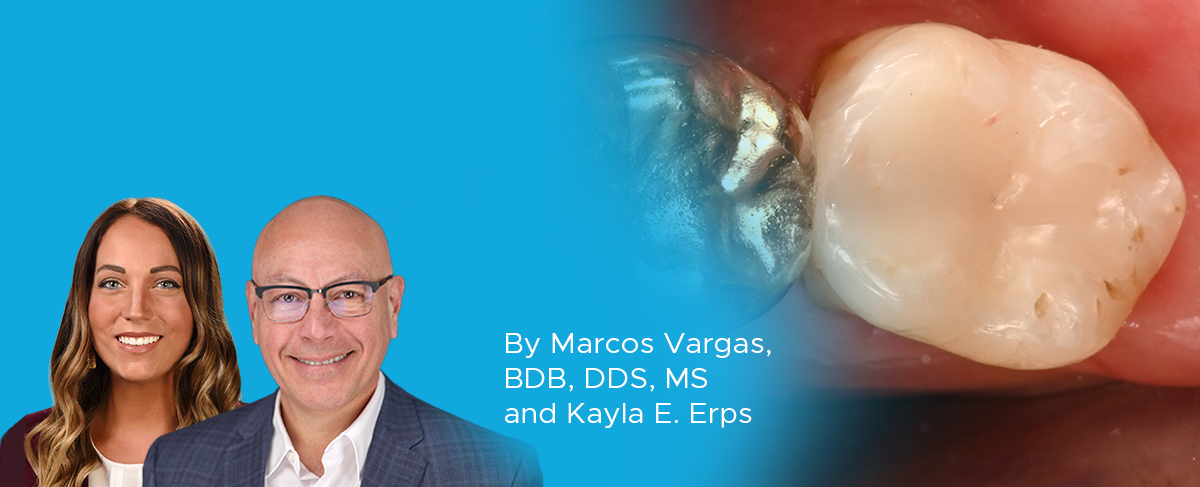
Simplifying the Class II Composite with Bulk Fill: Efficiency Without Compromise – Clinical Article
By Marcos Vargas, BDB, DDS, MS & Kayla E. Erps, Senior Dental Student, University of Iowa
While restoring the posterior dentition, natural proximal contours, contact size, position and shape are integral to the function and longevity of both the restoration and remaining tooth structure. Composite dentistry has progressed to the point where restorations disappear into the surrounding tooth structure yet despite considerable improvements in both technique and materials, inconsistent results continue to be a challenge for many clinicians.
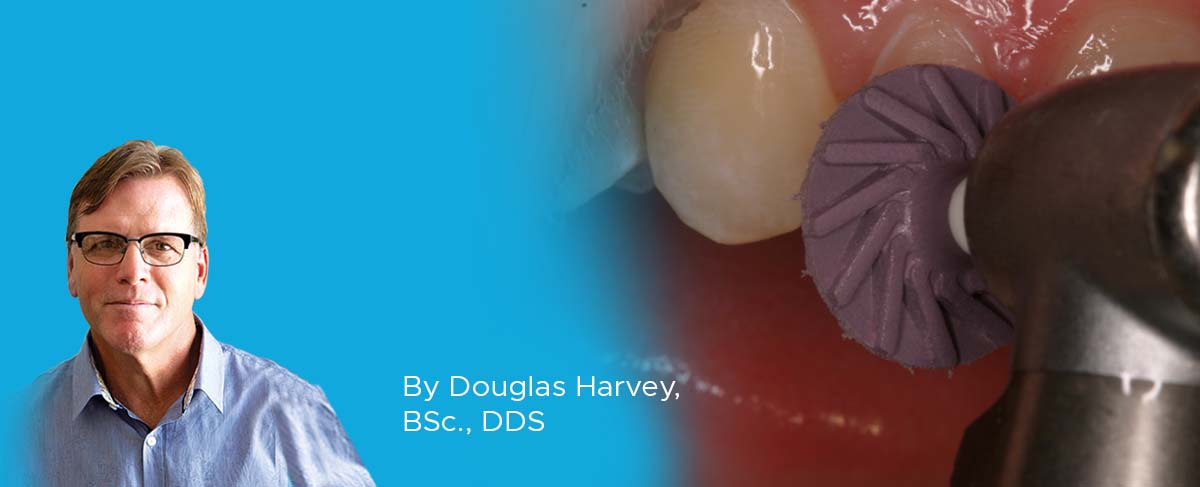
Take Esthetics to a New Level of Efficiency and Convenience – Clinical Article
By Doug Harvey, BSc., DDS
The cost of delivering dentistry is seemingly always on the rise. With an increased interest in being more involved in their treatment, the well-informed patient has placed a spotlight on receiving high quality esthetic restorations provided in a safe and time-efficient manner.
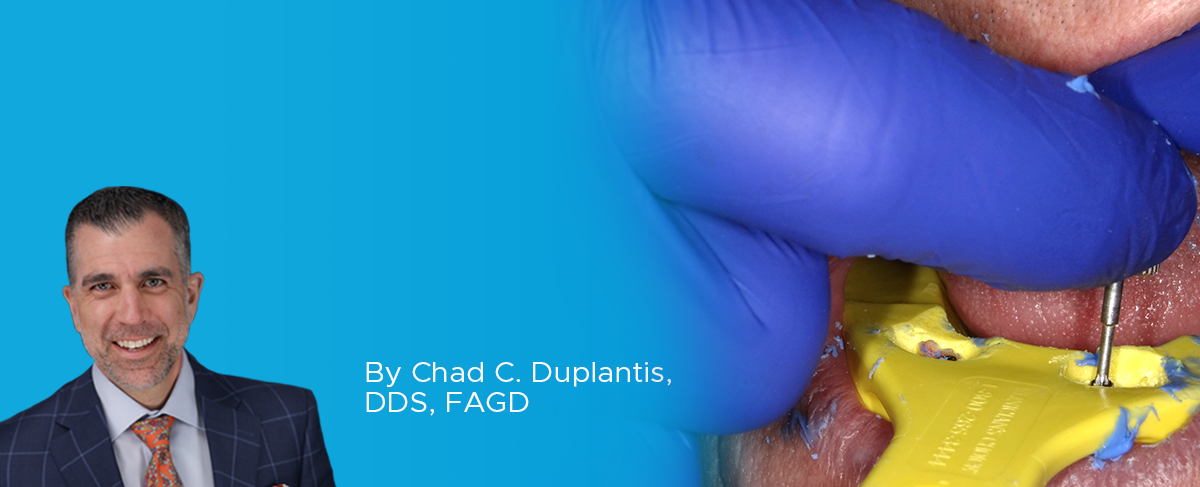
Simplifying the Process of Full Arch Implant Impressions Without Compromise to Accuracy – Clinical Article
By Chad C. Duplantis, DDS, FAGD
Implant impressions can create undue stress in the mind of a clinician. This is especially true for full arch implant impressions as these demand an incredible amount of accuracy and minimal room of error. Prior to taking these impressions, the clinician must answer a few questions: What type of impression material should I use? Should I take an open or closed tray impression? What trays are available to help me accomplish the best impression possible?
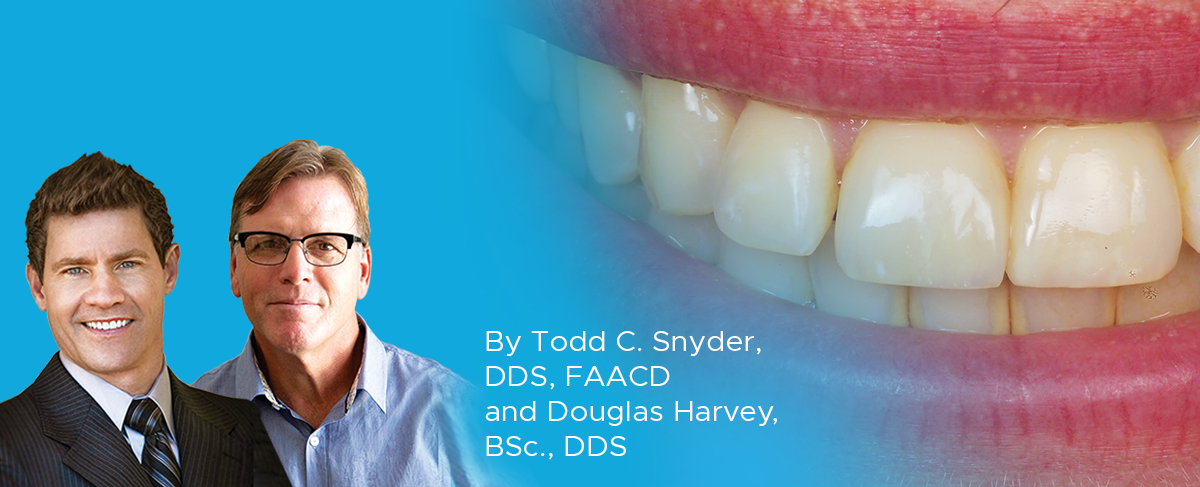
JUST TAKE A MINUTE: A Step-By-Step Guide to Clinical Efficiency – Clinical Article
The sheer volume of information on dental materials and techniques at our fingertips is staggering, but having the right information is vital to providing the best care possible.

Choosing a Laser: What Features Should You Consider? – Clinical Article
Having the right technology in your office is essential for running an efficient, state-of-the-art dental practice. In some cases, it can mean the difference between referring a patient to a specialist and being able to deliver same-day-dentistry in the environment where your patient is most comfortable. On the business side, the cost of this additional technology must be weighed against its return on investment and the speed at which this occurs. From the clinical perspective, consider what advantages this technology will bring for the clinician and the patient, and how will it improve the procedural outcome.
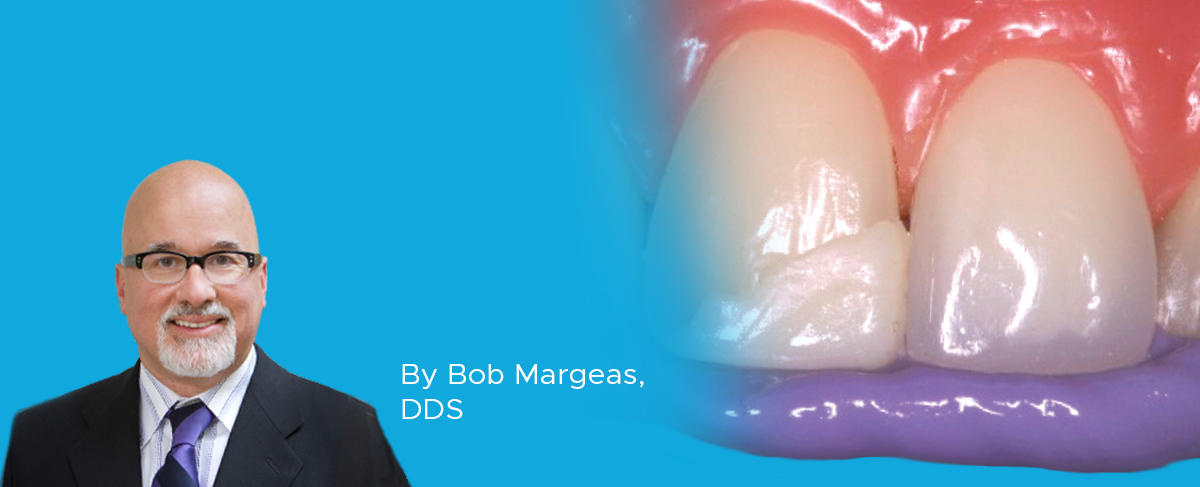
The Lingual Matrix Technique – Clinical Article
By Bob Margeas, DDS
From the one-shade to the more complex Class IV requiring layering of opacities, the simple fabrication of a lingual matrix can greatly simplify your technique while minimizing finishing time. The lingual matrix establishes optimal incisal length and lingual contour, enabling more accurate placement of subsequent layers. This accuracy translates into procedural efficiency and a more predictable restorative outcome.